
What happens during a foundation inspection, and what to prepare
By Timothy Moose, Managing Editor · Updated 2026-11-13
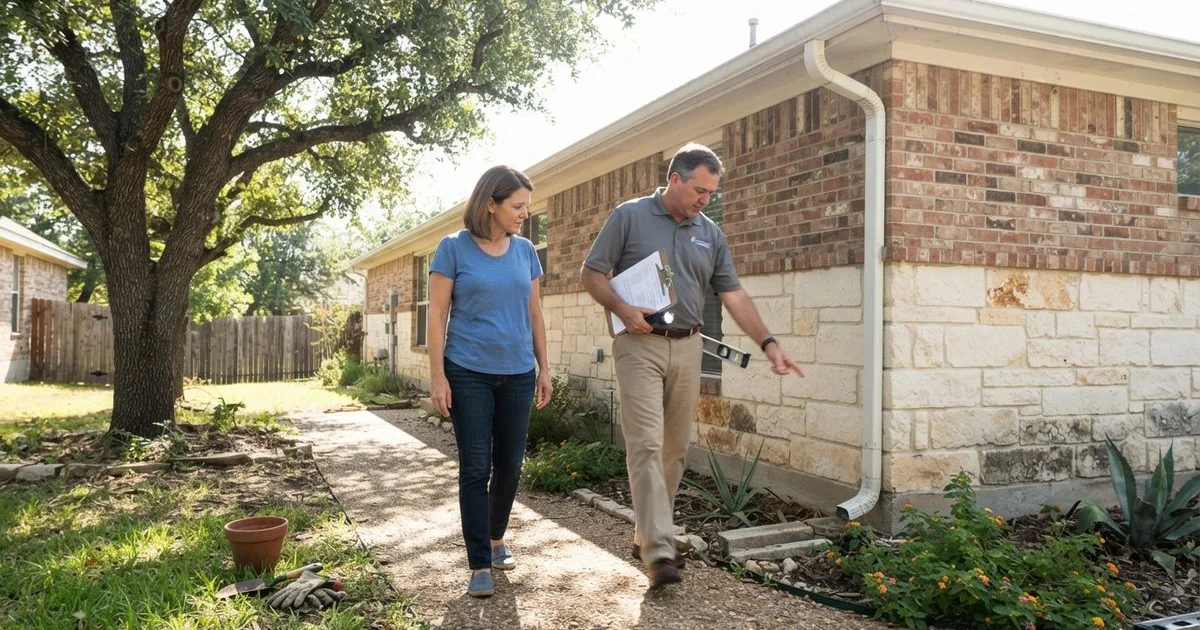
A foundation inspection sounds technical, but the visit is straightforward. Knowing what happens helps you ask better questions and spot an inspection that is really a sales pitch. Search interest for foundation inspection in Austin is steady, and many companies advertise free visits.
Before the visit
Walk your house and note problems. Write down when you first noticed each sign and whether it has changed. Have these ready:
- Photos of cracks with dates
- Any earlier inspection or engineer reports
- Notes about plumbing leaks or past repairs
- Details on recent landscaping or drainage changes
During the visit
| Step | What the inspector does |
|---|---|
| Exterior walk | Looks at brick, slab edges, grading and gutters |
| Interior check | Examines cracks, doors, windows and floors |
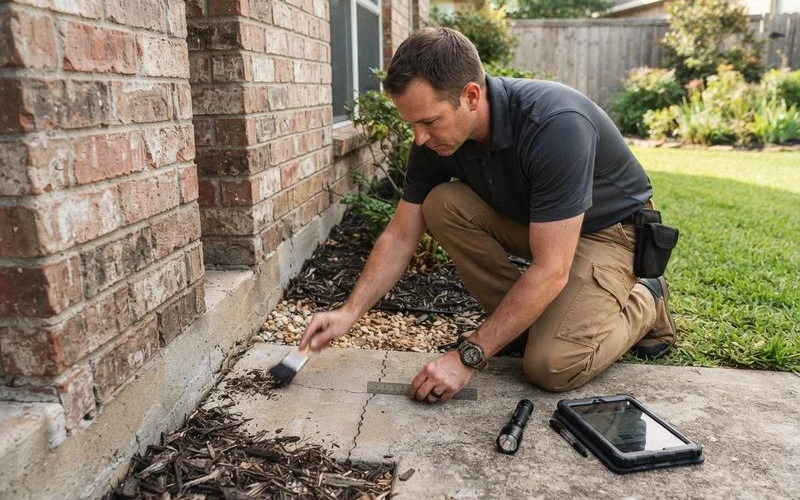
| Measurements | May use a level or elevation tool to map slope |
| Crawl space or perimeter | Checks piers, beams and moisture where accessible |
| Questions | Asks about history and symptoms |
A thorough visit takes time. Reviewers in our data praise thorough inspections and clear explanations, and they criticize disputed findings later on.
After the visit
Ask for the findings in writing, with photos, the likely cause and a recommended scope. A good inspection separates what needs repair now from what needs monitoring. Be wary of a quote with no explanation or a push to sign on the spot.
Free inspection or independent report
A free company inspection leads to a quote. An independent engineer’s report is paid and neutral. You can start with the first and add the second if the findings are large or disputed. Many companies in our listings highlight inspections and reports.
Questions to ask the inspector
Ask what caused the movement, how sure they are and what else could explain it. Ask whether the repair is urgent or can wait and monitor. Ask to see the measurements or photos behind any claim. A good inspector welcomes these questions.
Inspecting for a sale
Buyers sometimes order a foundation inspection during due diligence, and sellers sometimes get one before listing. The goal differs: a buyer wants a clear picture of risk, while a seller wants documentation. Keep the written report, since it can be shared with buyers or lenders.
Common misunderstandings
A free inspection is not an engineering report. A quote is not a diagnosis. And a long list of problems is not necessarily more accurate than a short one. If findings look inflated, get another opinion. Reviewers in our data praise companies that give honest assessments, even when the answer is that nothing needs doing yet.
After you decide
Keep copies of everything. If you hire a company, make sure the scope in the contract matches what the inspection found. If you wait, set a reminder to re-check your marks and photos in a few months.
Next steps
- Get at least one more opinion.
- Compare the pier count and scope across quotes.
- Address water sources early.
Learn how we evaluate companies in how we score, or start at the home page. This is general information, not engineering advice.
Frequently asked questions
- How long does an inspection take?
- Many take an hour or two, longer for large homes or crawl spaces.
- Are free inspections really free?
- Many companies offer them as a way to quote a repair. Ask whether there is any fee and whether you receive a written report.
- Do I need to be home?
- Usually yes, so you can point out problems and ask questions.
- What should I do with the findings?
- Ask for them in writing and compare them with a second opinion.